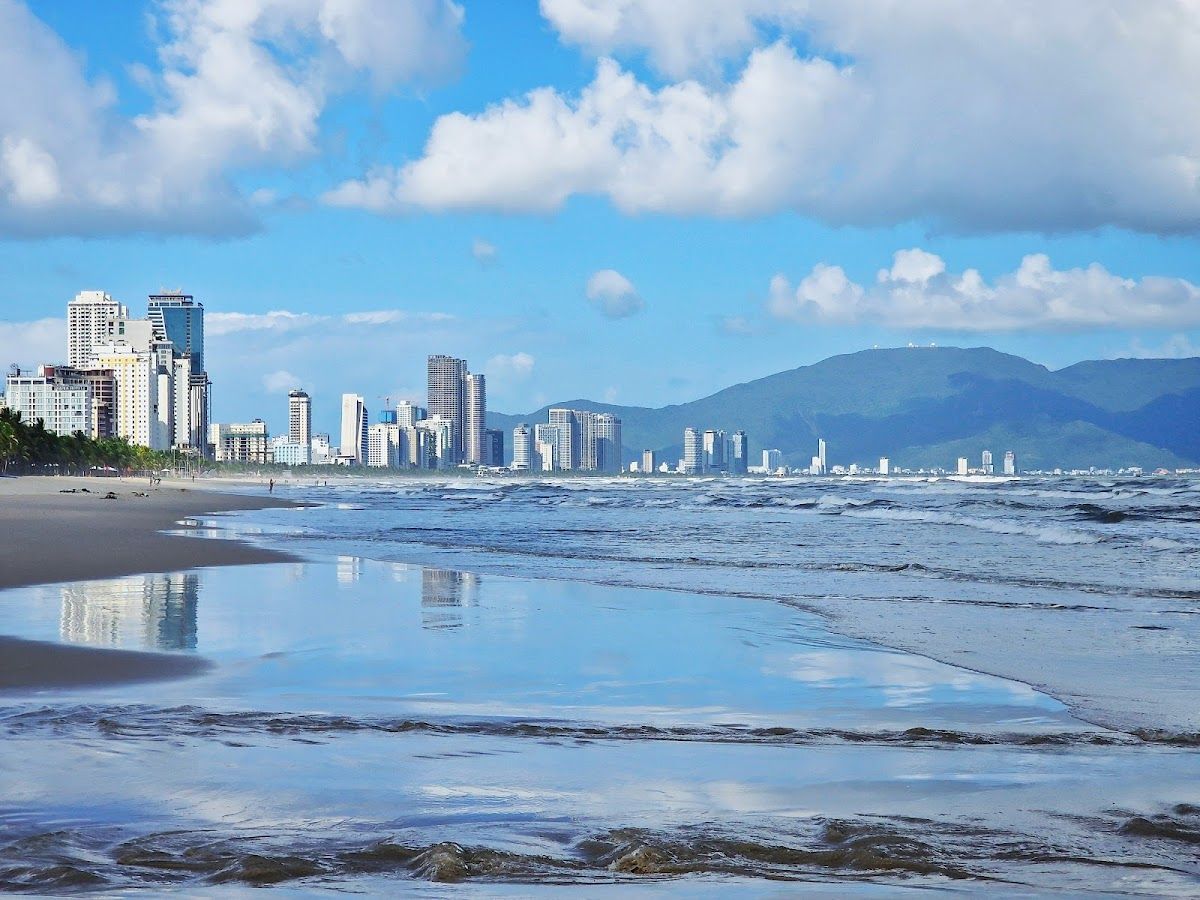
The short answer: go between February and May. The weather is warm but not punishing, the sea is swimmable, and the tourist crowd has not yet hit peak season. June through August is manageable but hot. September onwards brings rain, and October is when Da Nang gets its heaviest rainfall — 620 mm average in a single month, more than London sees in an entire year.
The longer answer is below, month by month.
The short version
- Best months: February, March, April, May — dry, 25–32°C, calm seas
- Hot season: June, July, August — clear but hot (35°C+), beach-focused crowds
- Avoid if possible: October, November — peak wet season, typhoon risk
- Budget window: January, September — fewer tourists, lower prices
- DIFF Fireworks Festival: Late May to mid-July (confirmed 2026: 30 May–11 July)
Month-by-month breakdown
| Month | Weather | Sea | Verdict |
|---|---|---|---|
| January | 20–24°C, occasional showers | Rougher, 24°C | Quiet, budget-friendly |
| February | 22–26°C, mostly dry | Calming, 24°C | Good — warm but not hot |
| March | 25–29°C, dry | Calm, 26°C | Excellent |
| April | 28–32°C, dry | Calm, 27°C | Excellent — best overall |
| May | 30–34°C, warming | Calm, 28°C | Very good, starting to fill up |
| June | 32–36°C, hot and clear | Calm, 29°C | Good for beach, hot inland |
| July | 33–37°C, hot | Calm, 29°C | Busy, DIFF festival ends |
| August | 32–36°C, some showers | Rougher at times | Peak season winding down |
| September | 28–32°C, wet | Rough | Quiet but wet, early typhoon risk |
| October | 24–28°C, heavy rain | Rough | Worst month — high typhoon risk |
| November | 22–26°C, heavy rain | Rough | Still risky — avoid if possible |
| December | 20–24°C, cooler, showery | Rough, 24°C | Quieter, prices drop |
February to May — the sweet spot
This is when Da Nang works best. The rains from the previous wet season have cleared, the temperature is warm but not exhausting, and the sea is calm enough for swimming without checking the flag every morning.
February is the coolest of this group — 22–26°C in the day, dropping to around 18°C at night. It’s the tail of the Vietnamese New Year period (Tết falls in late January or February), so the first two weeks can be busy with domestic tourists and some prices spike. After Tết the city quietens down and becomes easier.
March and April are the best months overall. Temperatures sit in a comfortable 25–32°C range, the sea is calm, and rainfall is low — typically 20–40 mm for the month. April gets a touch warmer but remains the most reliably pleasant month. Prices are not at peak. The city is busy enough to feel alive but not overwhelming.
May sees temperatures climb toward 33–34°C by midday. It’s still good, but you will notice the heat more than in April. The Da Nang International Fireworks Festival starts at the end of May, which drives up hotel rates near the Han River.
June to August — hot season
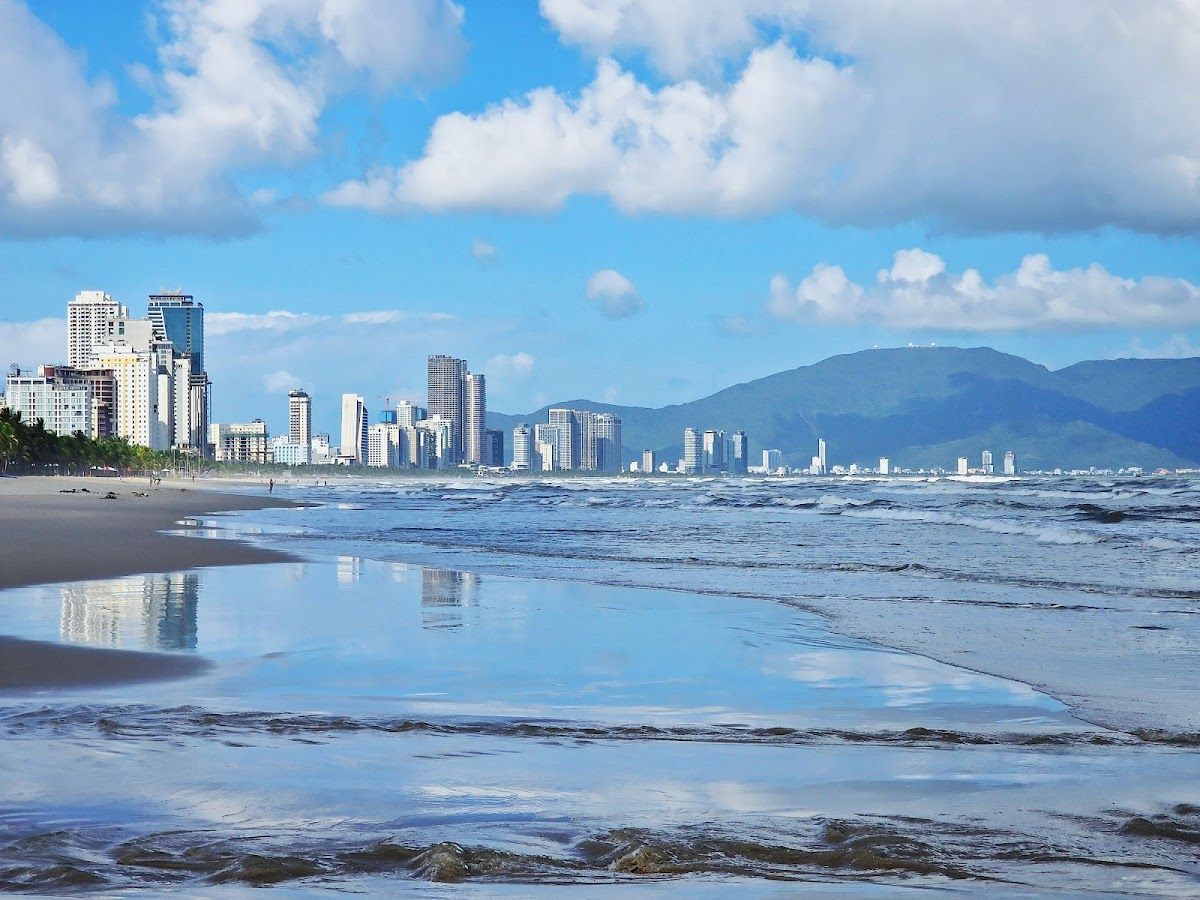
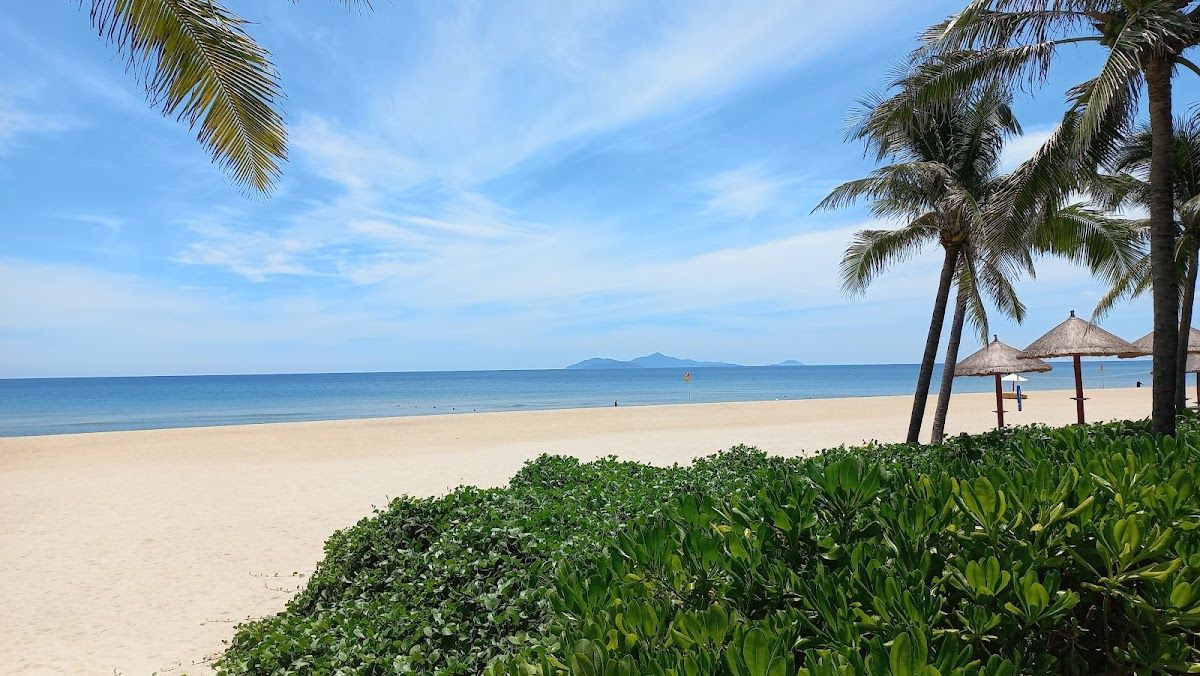
This is Da Nang’s peak beach season. Temperatures regularly exceed 35°C by early afternoon, but the sea is calm, clear, and warm (around 29°C). If you’re here for My Khe Beach and not much else, this is actually fine — the heat is manageable with an early start and an afternoon in the water.
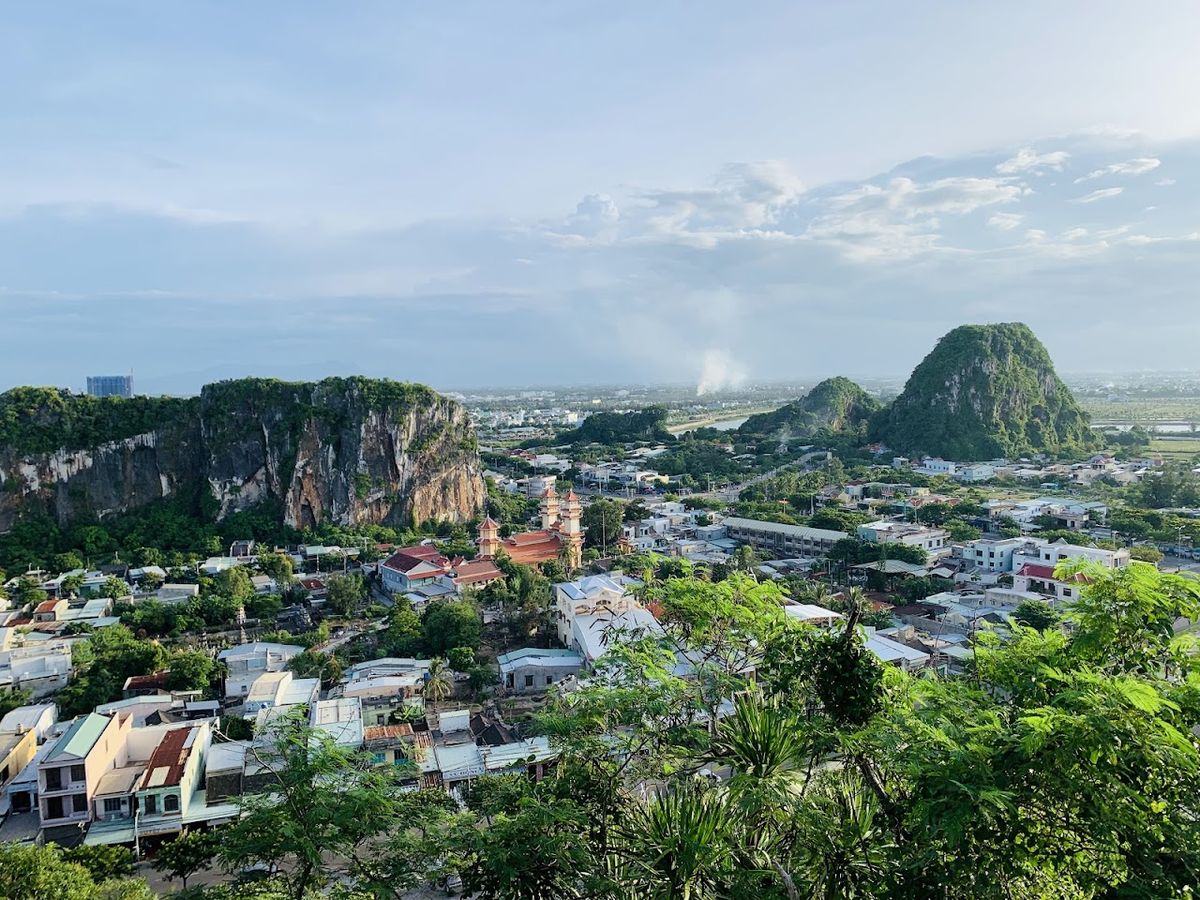
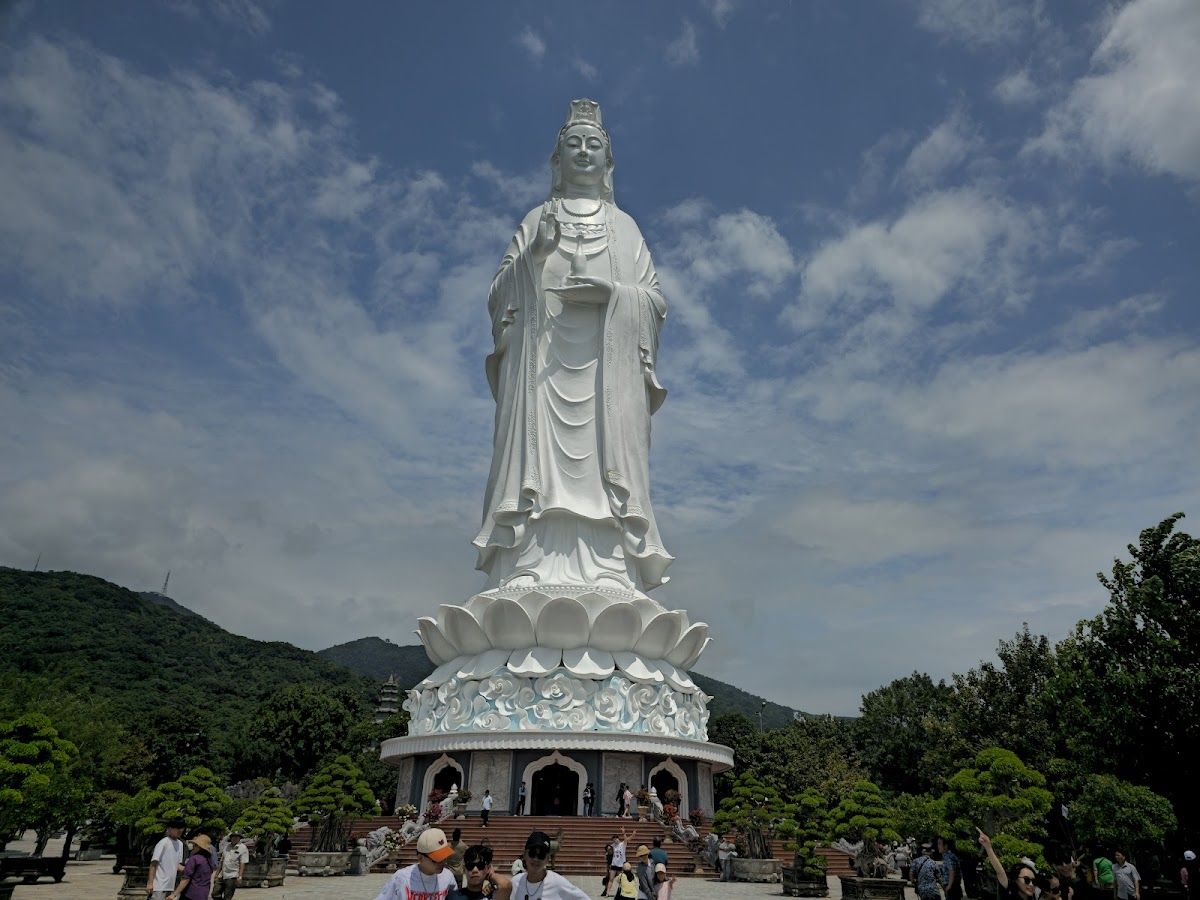
The practical problem with June–August is the heat’s impact on everything inland. Ba Na Hills at 1,400 metres is cooler than the city (often by 7–10°C), which makes it one of the better times to go there. The Marble Mountains in the midday heat are unpleasant — go early if you’re visiting in this window.
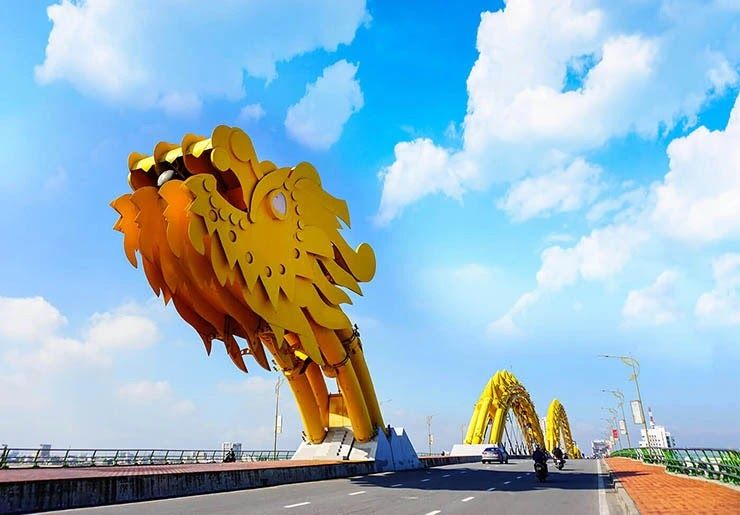
The Da Nang International Fireworks Festival (DIFF) runs from late May to mid-July. In 2026 it ran from 30 May to 11 July, with competition shows on six Saturday nights. The festival takes place along the Han River and is worth building a trip around if you can time it — shows are free to watch from the riverbank, though ticketed riverside venues also exist. Hotel prices near the river go up significantly on show nights.
August brings the first hints of the rainy season — occasional short downpours in the afternoon, but mostly still clear. The tourist crowd starts thinning toward the end of the month.
September — the transition
September is the turning point. The dry-season clarity is gone, rain becomes more frequent, and the first typhoon warnings of the season start appearing. Temperatures drop to a more comfortable 28–32°C, which sounds appealing, but the sea turns rougher and swimming becomes less reliable.
The upside of September: far fewer tourists, and hotel rates drop noticeably from August peaks. If you’re on a budget and don’t mind some rain and restricted beach access, it can work — just check weather forecasts daily and have an indoor backup plan for every outdoor activity.
October and November — avoid if you can
October is Da Nang’s worst month. Average rainfall is around 620 mm — the city can see several hundred millimetres of rain in a single week during a bad event. Typhoons don’t always make direct landfall here, but the outer bands bring sustained heavy rain and strong winds regardless. Flooding in the city and surrounding areas is possible. The beaches are closed to swimming for much of the month.
November follows a similar pattern. Rain eases through the second half of November, but the typhoon risk doesn’t fully drop until December. If you have fixed dates in October or November, plan indoor-heavy activities and be flexible with your itinerary.
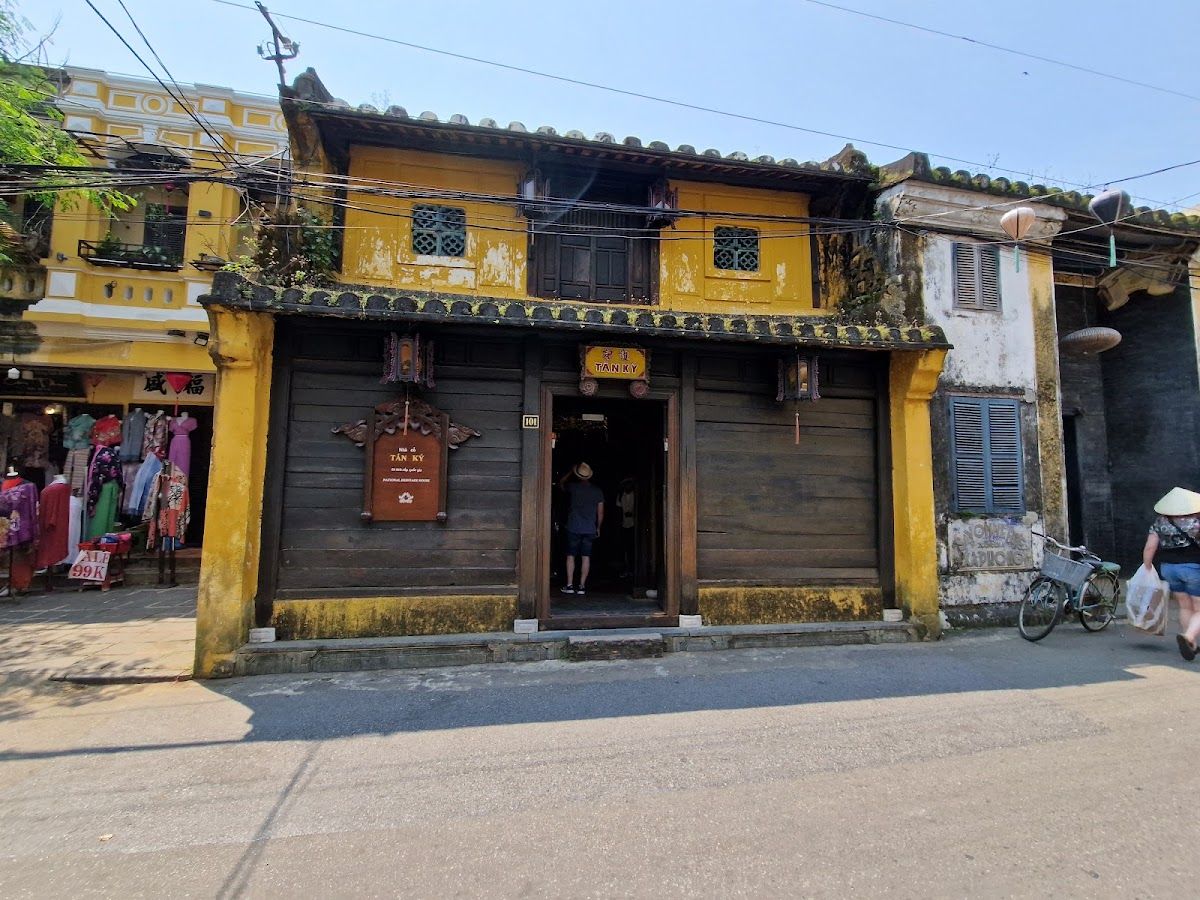
Hoi An is particularly vulnerable to flooding during this period — the ancient town has flooded significantly in past wet seasons.
December and January — cooler and quieter
December is cooler — 20–24°C — and still sees periodic rain, but the storms have passed. The sea remains rough through December and into January, which limits beach use. This is a reasonable time to visit if you are focused on city activities, day trips, and the inland attractions rather than the beach.
January is similar but drier toward the end of the month. Tết preparations begin in late January and early February, which adds atmosphere to markets and city streets.
Sea temperatures and swimming
The sea off My Khe stays warm year-round — roughly 24°C in winter, rising to 29–30°C in summer. Temperature is not the issue; wave conditions are. The sea is calmest from February to August and roughest from September to December. Red flags on the beach mean no swimming — this is not a suggestion.
Festivals and events
Da Nang International Fireworks Festival (DIFF): Held annually from late May to mid-July. Six competition nights on Saturdays, with teams from countries including France, Japan, Italy, Germany, and Australia. Free from the riverbank; ticketed viewing areas also available. Confirmed 2026 dates: 30 May–11 July.
Tết (Vietnamese New Year): Late January or early February depending on the lunar calendar. The city celebrates loudly for a week. Many businesses close for several days around the core of the holiday.
Full-moon lantern festival, Hoi An: Every month at full moon, Hoi An’s old town turns off electric lights and floats lanterns on the river. Worth timing a Hoi An visit around if your dates allow.
Crowd and price patterns
Peak prices align with the beach season: June to August sees the highest hotel rates in the beach strip, particularly on weekends. April and May are busy but not at maximum prices. February to March offers the best balance of good weather and reasonable rates.
September to November sees prices drop significantly — sometimes 30–50% below peak — but the weather trade-off is real. December and January are mid-range on both counts.
For planning your accommodation around season and budget, see /hotels/. For logistics — how to get between attractions in different seasons — the getting around guide covers the practical details.